
The Habitation of Saint Etienne was modelled after “La Maugée,” a sugar refinery covering over 400 hectares from Gros Morne to Saint Joseph in the early 19th century. The architectural structure, including the master’s house overlooking the distillery and the old workers’ quarters, reflects a typical farm in Martinique.
In 1882, Saint Etienne was purchased by Amédée Aubéry, a young captain of industry who became one of the most famous figures in the economy of Martinique.
In 1909, the property came into the possession of the Simonnet family who developed the distillery activity until its decline at the end of the 1980s. The estate was taken over in 1994 by Yves and José Hayot, who relaunched the Saint Etienne brand and began restoring and enhancing the sugar estate’s architectural heritage.
The distillery, henceforth registered in the Additional Inventory of French Historic Monuments, is one of the only-remaining and therefore most precious examples of the craftsmanship and aesthetic appeal of industrial architecture from the end of the 19th century in Martinique. Its renovation is nearing completion.
HSE gives all its nobility to ageing. For at least three years, the rum rests in different casks, including bourbon, cognac, sherry, and whiskey, where it slowly acquires more intense, complex perfumes.
In 1882, Saint Etienne was purchased by Amédée Aubéry, a young captain of industry who became one of the most famous figures in the economy of Martinique.
In 1909, the property came into the possession of the Simonnet family who developed the distillery activity until its decline at the end of the 1980s. The estate was taken over in 1994 by Yves and José Hayot, who relaunched the Saint Etienne brand and began restoring and enhancing the sugar estate’s architectural heritage.
The distillery, henceforth registered in the Additional Inventory of French Historic Monuments, is one of the only-remaining and therefore most precious examples of the craftsmanship and aesthetic appeal of industrial architecture from the end of the 19th century in Martinique. Its renovation is nearing completion.
HSE gives all its nobility to ageing. For at least three years, the rum rests in different casks, including bourbon, cognac, sherry, and whiskey, where it slowly acquires more intense, complex perfumes.
|
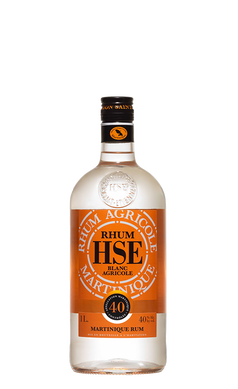
HSE Rhum Agricole Blanc 40%
Description This white rhum has indeed established HSE Saint-Etienne’s reputation. It is distilled within the year and recognised for its fresh and typical nature. It will add harmony to your delightful cocktails and planter’s punches. Traditionally, it is appreciated as a ti-punch cocktail (with cane sugar and a zest of lime) with or without ice. Tasting Notes This classic of the Saint-Etienne rhums offers an intense and bold nose where floral and fruity notes blend with the subtle emanation of white pepper. It provides an astonishing lasting taste where the nose aromas are enhanced with notes of sugarcane in full ripeness. Alcohol by volume. 40%
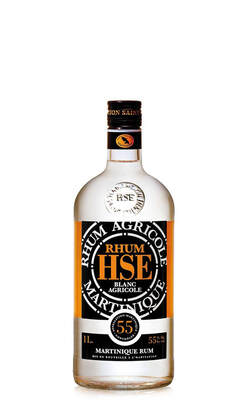
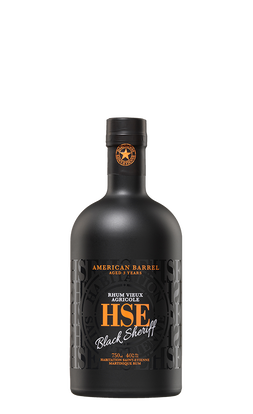
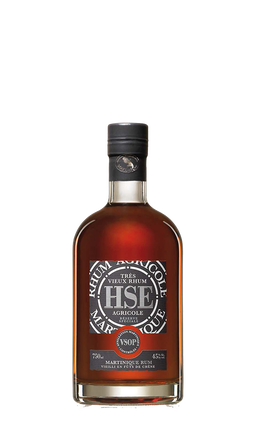
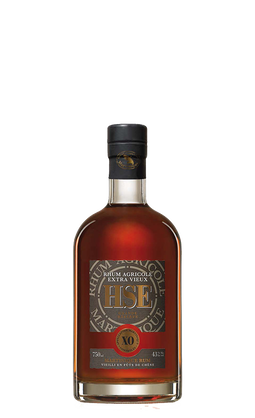
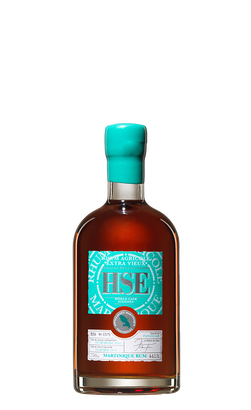
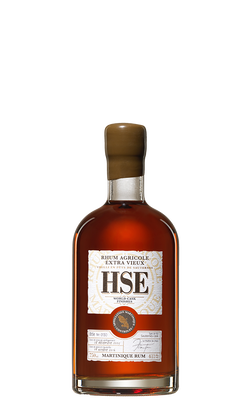
HSE Rhum Agricole Blanc 55% Description This white rhum has indeed established HSE Saint-Etienne’s reputation. It is distilled within the year and recognised for its fresh and typical nature. It will add harmony to your delightful cocktails and planter’s punches. Traditionally, it is appreciated as a ti-punch cocktail (with cane sugar and a zest of lime) with or without ice. Tasting Notes This classic of the Saint-Etienne rhums offers an intense and bold nose where floral and fruity notes blend with the subtle emanation of white pepper. It provides an astonishing lasting taste where the nose aromas are enhanced with notes of sugarcane in full ripeness. Alcohol by volume. 55% HSE Rhum Agricole Black Sheriff Description Black Sheriff, One Shot ! This old rhum is a blend of three to four year-old rhums mainly aged in American bourbon barrels, sourced from the states of Kentucky and Missouri. The HSE team invites you to taste an old, subtly fruity rhum with a certain roundness and perfect balance. Tasting Notes The nose offers generous vanilla aromas which are enhanced by honey nuances delicately coated by very elegant woody notes. The delightfully round and sweet first impression in the mouth makes way for an explosion of fruity flavours. A rhum to be enjoyed neat or on the rocks for a moment of pure indulgence! Alcohol by volume. 40% HSE Très Vieux Rhum Agricole VSOP Description A very long ageing process in Bourbon oak casks and in French oak casks confers upon this exceptional rhum a Creole flavour and a spicy, aromatic palate. Tasting Notes The nose is rich with candied fruit : apricot, peach, cantaloupe, followed by notes of grilled almonds and caramel with buttered coffee and clove. The taste is superb and enhances the nose : a broad, warm attack, admirably envelopes the palate. Its mellow nature and viscosity accentuate the lasting taste of this vintage. Alcohol by volume. 45% HSE Rhum Agricole Extra Vieux XO Description This rhum is from a selection of the oldest of the plantation estate’s vintages as of 1960. A remarkable rhum in wooded hues, this liqueur is the result of complex research where each phase has been extremely well mastered. Mild, spell-binding, and velvety “one of the most beautiful alcohols of the present day.” Tasting Notes It has a superb amber robe with a noble nose of extreme richness. Marked notes of cocoa, mocha and blond tobacco, highlighted with a lovely touch of spice : black pepper and nutmeg. Alcohol by volume. 43% HSE Rhum Agricole Highland Finish 2005 Description After 6 years ageing in oak barrels in the great tradition of aged HSE rhum, this vintage agricole rhum has spent an additional 12 months maturing in Highland Single Malt whisky barrels. Tasting Notes The initial bouquet opens with menthol aromas which give way to white flesh fruit. Swirling awakens subtle hints of green almond and orange blossom. The flavour’s refreshing attack allows notes of smoked oats, nectarines, mint humbugs and spices typical of aged rhum to develop. Alcohol by volume. 44% HSE Rhum Agricole Sauternes Finish 2005 Description After 9 years ageing in the great tradition of aged HSE rhum, this 2003 vintage has spent an additional 8 months maturing in Château La Tour Blanche, 1er Cru Classé, Sauternes. Tasting Notes The expressive bouquet delicately projects acacia honey and passion fruit notes. A few seconds of aeration awakens the scent of confit apricot and fig enhanced by a hint of gingerbread. The flavour has a captivating roundness and sublime sweet notes of dried fruit and Muscat before aromatic orange peel rounds it off beautifully. An extraordinary experience that lovers of unique products will adore. Alcohol by volume. 41% |